Ethos of DNA
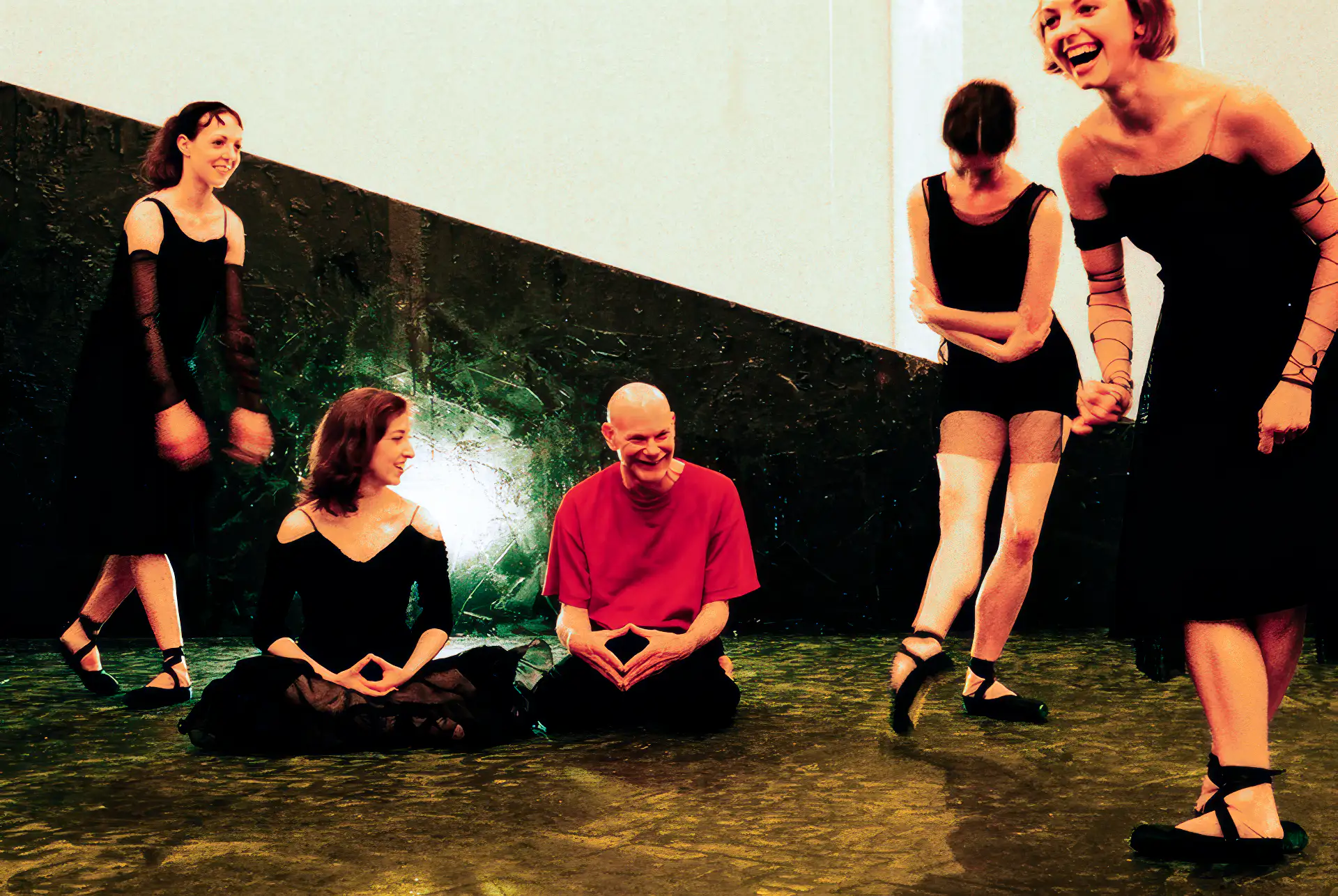
For over thirty-five years, DNA has consistently been at the forefront of developing avant-garde theatre.
The choice of venue for every work is determined by the form and content of the piece. For each show, precise rules are developed, specific to that particular work. These rules become the foundation for building a language that applies to all aspects of the production: sound, light, text, design, and more.
The result of these decisions is a spectrum of striking elements that create a strange harmony — a unique language that is instantly recognizable to those familiar with DNA’s style.
This cohesion across disciplines allows each production to function as a fully immersive environment rather than a collection of separate theatrical components.
DNA's wide array of expressions — non-linear extravaganzas; actual plays (classic and modern, dramatic and avant-garde); street and site-specific ventures; pure- and performance-installations; and convention-smashing ballets and so on — makes DNA possibly the country's most versatile theatre company.
In the process, it has garnered numerous awards for innovation and excellence. Each form is approached with the same rigor and curiosity, pushing boundaries while remaining grounded in theatrical craft.

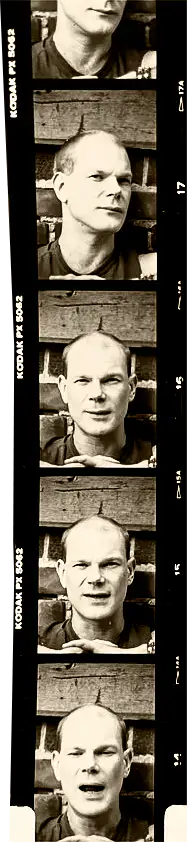
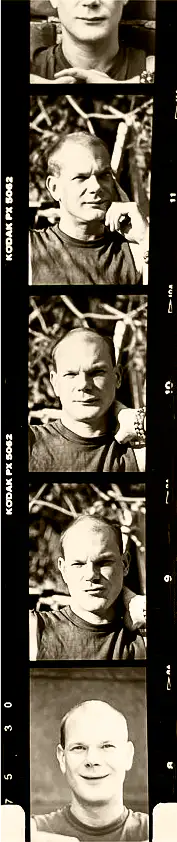
Founded in 1982 by Hillar Liitoja, DNA immediately captured attention with its unique polyphonic style of overlapping texts, music, and compelling, strange imagery.
With over three dozen original works, DNA's radical and iconoclastic approaches have forced audiences and arts professionals alike to reconsider their assumptions about the nature of the performing arts and how they should be presented.
DNA has always provoked, amused, and overwhelmed audiences with its artistic daring, while never shying away from controversy. Controlled chaos is inherent in DNA's brand of environmental theatre — a crash of simultaneity, with many things occurring at once, as performers and audience members are often intermingled throughout the space.
The resultant sensory onslaught, combined with intimacy, has charmed, delighted, and thrilled countless people. Yet a seemingly equal number find the experience bewildering, irritating, and often “confrontational.” This polarity of response is not incidental, but rather a core aspect of the company’s artistic intent.
DNA's boundaries remain intentionally blurred, and the subsequent impact is both unquestionable and profound. The company continues to discover new ways of expression and new forms of performance, always focusing on creating art that makes a lasting emotional impact.
After the passing of DNA’s artistic director Hillar Liitoja in 2023, the theatre remains in a state of transition, guided by a deep respect for its legacy and a hope of continuing future performance work that evokes strong and meaningful reactions.
Artistic Team
Magdalena Vasko
Artistic Director
Magdalena Vasko was born in Poland and from 1991-1998 trained in the National Ballet School in Gdansk. She was awarded at the National Ballet Competition in 1995, and at the Prix de Lausanne Competition 1997 was invited by Director Mavis Staines to be a student at the National Ballet School of Toronto. Magda graduated in 2000, winning the Peter Dwyer Scholarship in the process.
Magda joined the corps de ballet of the National Ballet of Canada and danced with the company until 2004. Upon leaving, she freelanced with various companies including Opera Atelier, Ontario Ballet Theatre and OMO Dance.
Magda's first appearance at DNA was in The Fate Ballet (2004); she also performed in The Large Glass (2005) and I Of The Beholder (2006). In 2007, Vasko co-created she alone, her first solo performance. Upon accepting the role of Associate Artist with DNA in May 2008, Magdas’s role greatly expanded, helping to conceive Wit In Love (2009) and Red Light Green Light (2014). She worked closely with Hillar Liitoja as co-creator/performer in all aspects of new work — designing space and sound, directing, choreography and all manner of other creative output.
After Hillar’s death in 2023, Magda is now Artistic Director, responsible for the future of DNA creatively, conceptually and curatorially. The work has been focused on archiving materials, building an online presence, preparing Hillar’s writings to be published and planning future productions.
Michael Reinhart
Associate Artist
Michael Reinhart (PhD) is a theatre/performance creator, performance scholar and theatre instructor. Their work (both creative and academic) is based in exploring interdisciplinary art-making, and collective-driven devised performance creation with an emphasis on complex systems. They are a founding member of [elephants] collective. Their work has been presented at The Theatre Centre, Nuit Blanche, Summerworks, Pi Theatre, DaPoPo, Uno, Rhubarb! Survival Performance Festival (Berlin) and others. Currently, they are writing a book on devising and systems theory, to be published by Vernon Press.
Andrew Dickinson
Associate Artist
James Dickinson is an impresario based in Berlin. Having begun his career as an operatic tenor, he has since expanded his artistic practice to include work as a director, producer, project manager, curator, and mentor.
As a soloist, he has performed at many of the world’s leading opera houses across five continents, alongside a seven-year residency at Deutsche Oper Berlin and long-standing collaborations with neighbouring opera houses throughout Germany.
As a creator of new work, James fuses deep classical expertise with a strong drive to generate contemporary relevance. His projects include an immersive performance tour at Tempelhof Airport with MicaMoca; a production of La Bohème staged in a brewery, uniting international soloists with a homeless choir; and a radical re-imagining of Schubert’s Schwanengesang, involving 35 Berlin-based artists from a wide range of disciplines, influences, and backgrounds. He is also regularly invited to leading music academies worldwide, where he encourages new modes of thinking and action in the next generation of artists.
James brings fresh imagination to DNA, marking his first close collaboration with his partner Magda since they met in Berlin in 2020.
Manu Büchting
Associate Artist
Manuela Büchting is a cultural and sustainability manager as well as art/cultural mediator specializing in artistic research, education for sustainable development (ESD) and philosophizing in practice.
After studying Fine Arts at the Braunschweig University of Art, she completed a Master's degree in Documentary Media (MFA) at Ryerson University in Toronto, Canada. This was followed by a work-study program in publishing at the Banff Centre (Canada) and a traineeship in cultural education at the ALTANA Cultural Foundation. She has also worked at various cultural institutions, including the Toronto International Film Festival and the Thuringian Summer Academy. From 2015 to 2022, Manuela worked as an art education consultant at the Sinclair-Haus Museum, part of the Foundation for Art and Nature. Since 2022, she has been a member of the Altenburg Museums team.
Furthermore, Manu is a wilderness and nature educator and a certified urban nature guide. She accompanies people in rediscovering their connection to nature, learning from it, and becoming active themselves.
Hillar Liitoja
Founder & Artistic Director,
1982-2023
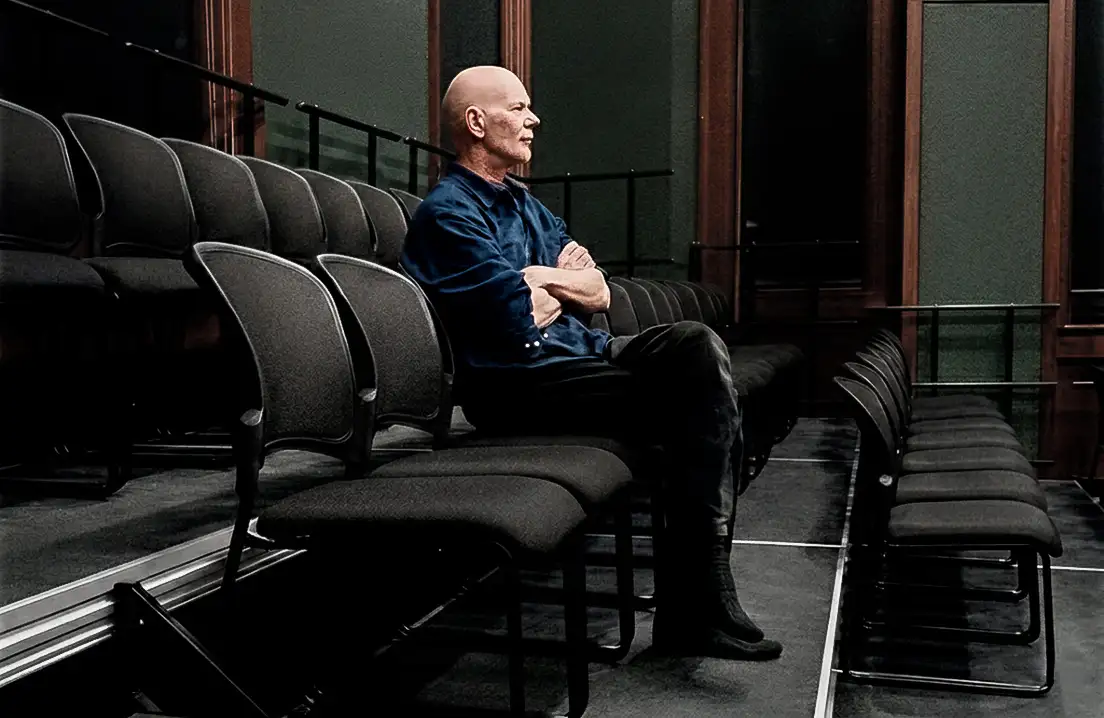
Born June 18, 1954 in Toronto, Hillar's relationship with the arts began at a young age. Starting piano at age six, he was regularly winning recital competitions by his teens. In 1977 he graduated from University of Toronto with a Bachelor of Music in Performance, but by 1979 he had abandoned the goal of becoming a concert pianist. In 1982, he founded DNA Theatre.
In its first years, DNA produced a number of works revolving around the poetry of Ezra Pound. Recalling his first production years later, he wrote “I scrambled and darted to make my first piece, Pound For Pound [1982], wherein the audience was concussed by its immersion and envelopment in polyphonic strangely-musical cacophony.” In the next decade DNA produced some two dozen works. Awards included the Floyd S. Chalmers Canadian Play Award in 1994 for his play The Last Supper (1993); a jury prize for Innovation in Theatrical Writing at the Festival de Théâtre des Amériques in 1987; four Dora Mavor Moore Awards: Hamlet (1989), Sick (1991), and two for The Last Supper (1994): Outstanding Direction and Outstanding Production, Small Theatre Division.
In the 1990s, DNA created a major new cycle inspired by the great theatrical visionary Antonin Artaud. The effects of that research would go on to inform his future work, challenging Hillar to push his own artistic boundaries and to find new avenues of creative expression. Following the Artaud Cycle, Hillar apprenticed under James Kudelka at the National Ballet of Canada, going on to create three ballet productions: The Fate Ballet in 2004, I of the Beholder in 2006 and Red Light Green Light in 2014. He had also created two performance installations in his own house which were mirror pieces: she alone in 2007 and Wit in Love in 2009.
A voracious reader, in the 2010s Hillar took up writing, penning a number of articles, and a published book, The Oulipo Challenge.
In 2017, Hillar received the inaugural Canadian Acker Award for lifetime achievement encompassing decades of ground-breaking, cutting-edge,
risk-taking creation.
Hillar Liitoja died peacefully on June 2, 2023.
“A true creative visionary, his legacy lies in the impact that his productions with DNA, the company he founded in 1982, exercised on a generation of creators, performers and audiences.
“An original thinker whose unique approach to time and place in the creation of theatre and dance was only matched by his revolutionary use of music, light, silence and movement, it is appropriate that his opus remains unclassifiable except for one word: brilliant.”
— Robert Wallace